If you are asking whether you can dive the HMS Maori in Malta, the short answer is yes, and it sits just outside Valletta’s Grand Harbour. It is a World War II wreck with a backstory tied directly to the siege of Malta, and on the right day it makes a rewarding, low‑stress dive with a strong sense of place.
Whether it suits you depends on conditions and expectations. Come for wartime history, broken steelwork and marine life in consistently clear water, not for a deep penetration wreck. If you want bigger metal and dramatic swim‑throughs, save a day for um el faroud or plan a second day up at cirkewwa diving. Photographers who like texture and detail tend to prefer the Maori, while wreck junkies often split their time with coastal highlights like the blue grotto.
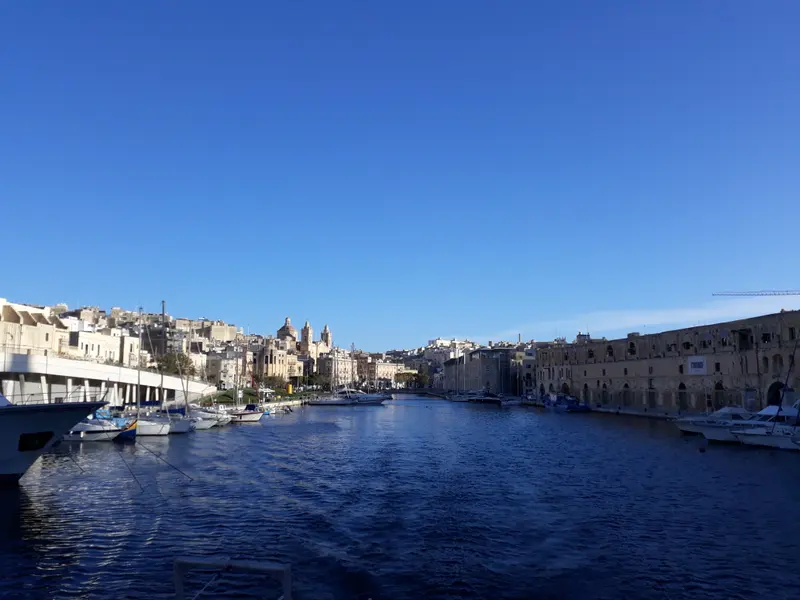
You will find the site just outside the mouth of the Grand Harbour, under the guns of Valletta’s fortifications. That location matters: it is exposed to swell wrapping around the headland and to boat traffic moving in and out of Malta’s busiest port, so pick your window and take a surface marker seriously. If you want to get your eye in on the setting first, a grand harbour cruise gives you the lie of the land and the fort lines that framed the Maori’s final hours.
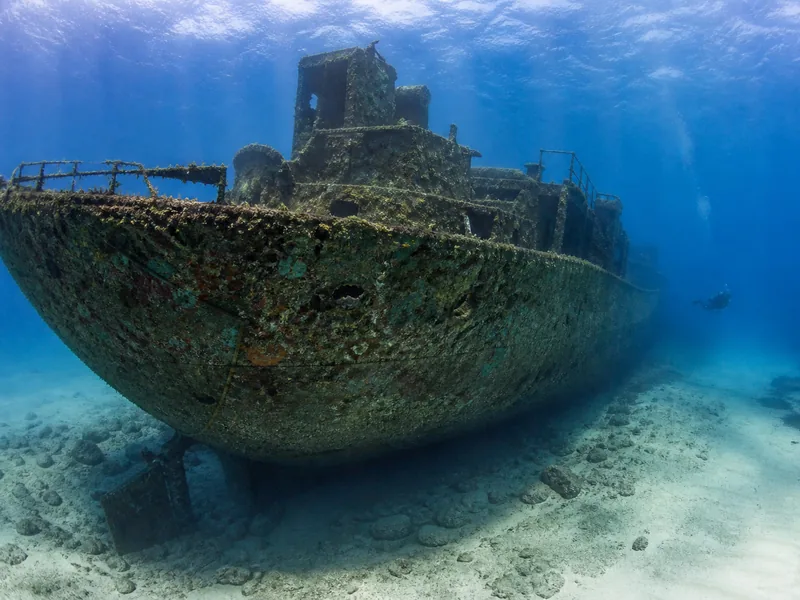
The wreck was bombed by German aircraft. She was sunk on 12 February 1942. She was raised and scuttled outside the Grand Harbour. Today the HMS Maori is a dive site. That sequence explains why you will not find a pristine destroyer sitting upright: parts of the ship were recovered and the remainder sent to the bottom, then storms and time did the rest.
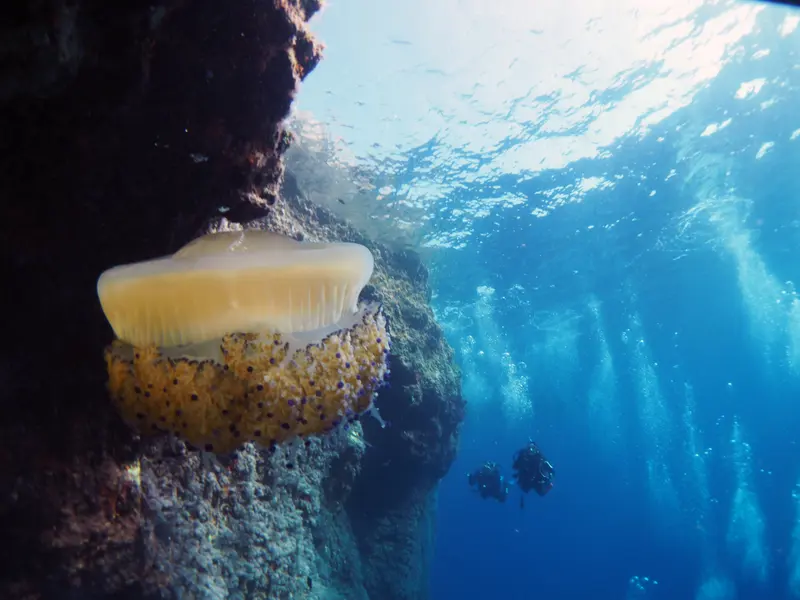
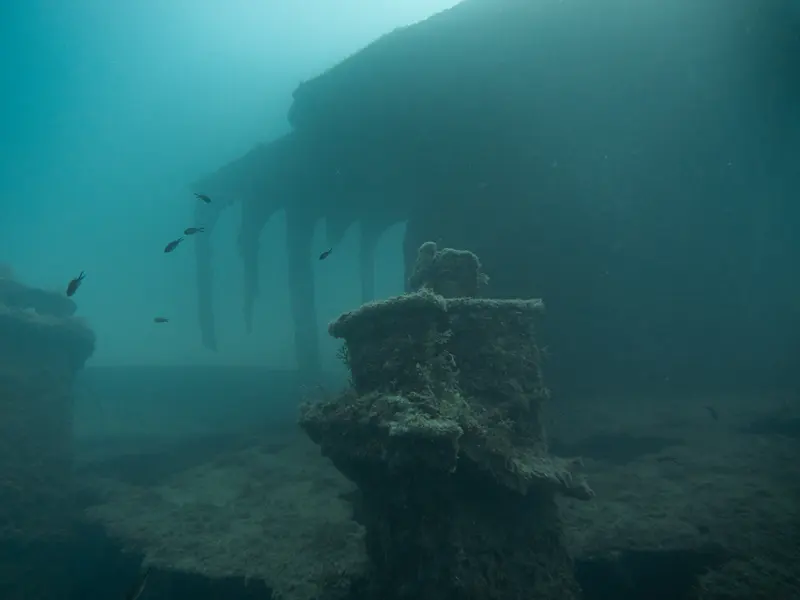
Underwater, think of the Maori as a scatter of recognisable features and plates that have become a reef. Malta has over 120 dive sites. Visibility is great. The water is clear blue. On calm days that means easy navigation and wide‑angle scenes with the Valletta skyline as your surface frame, but when the wind swings onshore the swell can kick up and reduce enjoyment. Stay alert for boat noise near the surface, tow or carry a DSMB, and let your guide do the traffic checks during ascents.
There are no opening hours for the sea here, so you are working around wind, swell and port movements. Early morning is usually quieter for boat traffic and often brings the smoothest surface, and winter blows can make the area uncomfortable. If the forecast looks bumpy, switch your plan to a more sheltered coast or make it a sightseeing morning in Valletta and aim for a calmer day.
Pack for a standard Maltese wreck dive and be self‑sufficient at the surface.
- Certification card and logbook
- DSMB and reel, and a loud whistle for the surface
- A small torch for structure and fish under plates
- Gloves only if your operator allows them, and do not touch the wreck
- Reef‑safe sunscreen, water and something warm for the surface interval
Afterwards, food is easy within minutes of the site. Valletta’s backstreets are full of quick lunches and slow dinners, and the waterfront in sliema and st julians spinola has all the post‑dive comfort you could want. If you are heading south for an afternoon swim, match it with a stop at st peters pool; if you want sand and sunset later, look to golden bay ghajn tuffieha.
Common mistakes start with expectations. People arrive looking for a single, intact hull, but what you are diving is a salvaged and scuttled wartime wreck broken into sections, so plan to slow down and look for detail rather than pushing for distance. Others treat the harbour mouth like a quiet cove: it is not, so tow a marker and keep ascents controlled. Finally, visibility here is often outstanding, but it is not a guarantee every day, and swell can push in quickly, so have a Plan B, whether that is a switch to cirkewwa diving or a relaxed afternoon at the blue lagoon comino.
Common questions
Is the HMS Maori an intact ship?
No, do not expect an upright, showroom‑perfect hull. The Maori was salvaged, then scuttled outside the Grand Harbour, and years of sea and storm have broken her up into a photogenic but fragmented wreck site.
Can non-divers see anything of the wreck?
This is a dive site rather than a snorkel attraction. Water clarity is often excellent, but the interesting parts of the wreck lie below typical snorkel range and conditions around the harbour mouth can change quickly.
Last checked: 12 November 2026. Prices, opening hours and timetables change, verify anything time-sensitive before you travel. Photo: Joebob724, CC BY-SA 4.0.