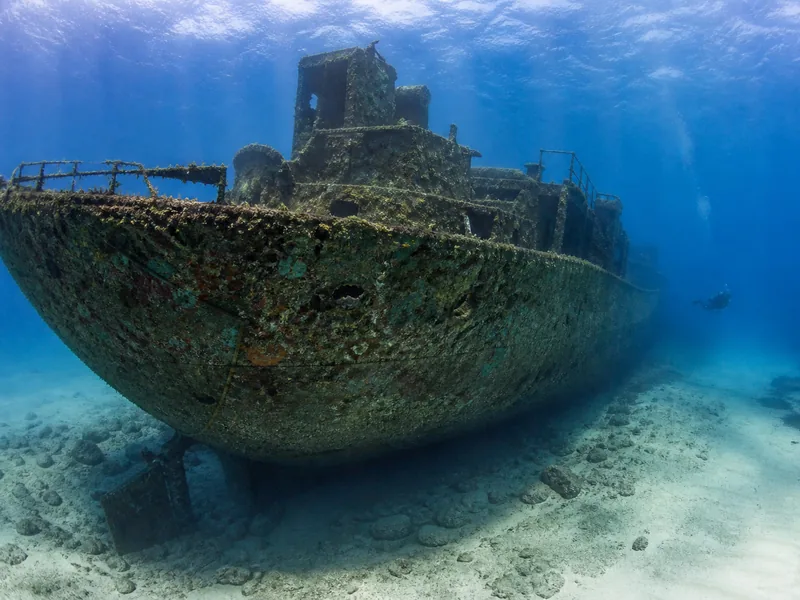
The Um El Faroud is a scuttled motor tanker turned artificial reef off Wied iż-Żurrieq, and it is Malta’s signature shore-accessible wreck. Access is from the shore. This is an advanced dive. You come for a big-ship silhouette in clear water, a bridge you can reach well within no‑deco limits, and a solemn memorial that tells the story of why the ship is here at all.
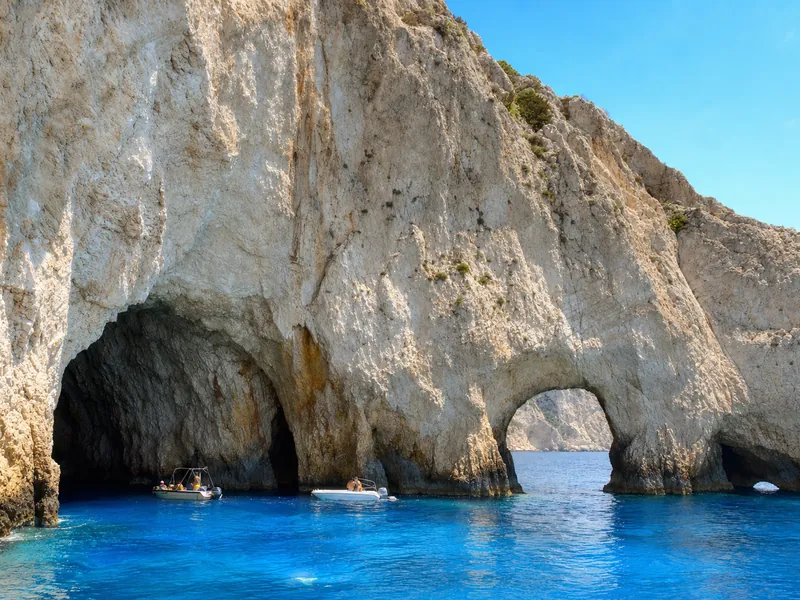
Conditions and planning make or break a shore dive on this coast. Access is easy. The wreck is about 150 m southwest from the entry point. A diving helmet statue sits about halfway to the wreck. Pick a calm morning, check the surge at the slipway in Wied iż-Żurrieq, and set a turn pressure that gets you back to the inlet without rushing. If the sea is rolling at the Blue Grotto next door, expect more effort on the surface swim and stirred-up visibility around the hull.
There is a real human story behind the steel. The ship was launched on 31 May 1969 in Middlesbrough by Smiths Dock Company and sailed the Italy–Libya route for years. A gas explosion during maintenance on 3 Feb 1995 after 10 pm in No. 3 Dock in Valletta killed nine shipyard workers and left the tanker beyond economical repair. For three years it sat in dock until the decision was taken to tow it away and scuttle it as an artificial reef. It was scuttled on 2 Sep 1998 off Wied iż-Żurrieq. The tow out and sinking took only hours, and the wreck settled neatly for divers and fish alike. There is a brass memorial plaque at the front of the bridge with the names of the nine shipyard workers.
On the seabed the wreck presents as a large, upright structure with plenty to orient on. The wreck lies southwest of Wied iż-Żurrieq, upright on a sandy bottom. Divers and guides quote different figures for the overall length, between 109.5 m and 115 m, with a beam around the 16 m mark, which is to say it feels like a ship, not a bus. It broke in two in the winter of 2005 to 2006, leaving a visible separation and a slight shift of the sections, which only adds to the drama as you fin along the break. Single-screw machinery and clean lines make the stern easy to recognise.
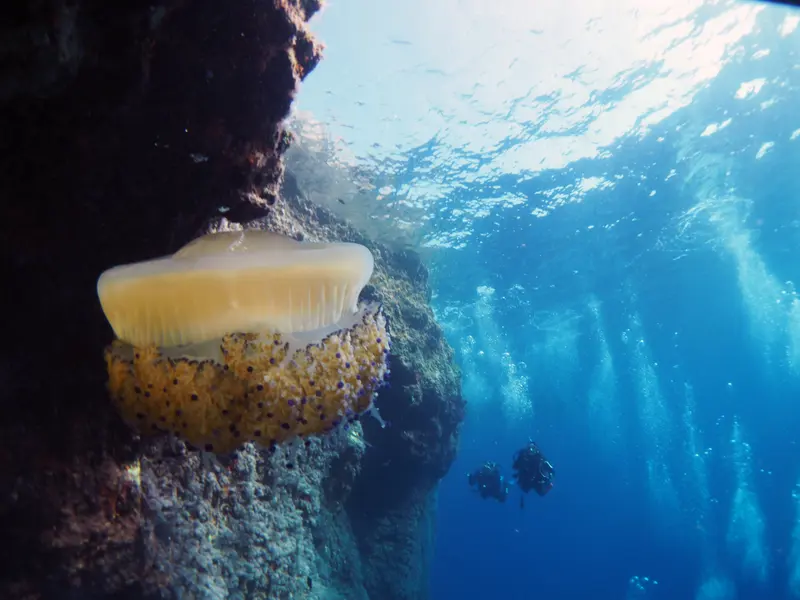
Depths are friendly for a first look yet serious enough to demand respect. The top of the bridge sits at 18 m. Average depth on the site is 20 m. The main deck is at 25 m. The seabed is 36 m. The propeller is at 36 m. If you like a slow tour, drop on the bridge, take in the plaque, then work down the superstructure to the main deck and along to the stern. The funnel comes into view from mid‑water and is a good visual reference on ascent. Tuna, jacks and barracuda visit the wreck, and squid often hover in the lee of the stern on quiet days.
The site was made diver friendly without turning it into a theme park. Doors and windows were removed and entry and exit holes were cut. Penetration is possible for experienced divers. Run a reel, use a good torch and keep a strict eye on depth and gas. The wreck’s layout leads you into overhead very easily, so the rule is to turn while you still feel like it is too soon.
Getting in and out is straightforward when the sea is calm. You kit up beside the inlet, use the slipway or low rocks, and swim out on a bearing to the helmet marker. The swim itself is part of the dive plan, so account for it in gas and thermal comfort. On rough days surge at the exit is the real hazard, not the depths on the wreck, so if white water is pushing into the inlet, save it for another day and explore the shore around the Blue Grotto arches instead.
The wreck does not close, but the weather does. Late spring through early autumn brings the most reliable calm seas, and mornings are almost always nicer. In winter the same west and southwest that make the Dingli Cliffs roar also send swell into Wied iż-Żurrieq. Check the sea state before committing a tank to a long surface swim.
Pack for a real wreck dive, not a dip. A torch makes the bridge and companionways come alive, and a backup is sensible given the distance from the entry. A spool and DSMB are standard on Malta, even for shore dives, in case you surface off the inlet and need to signal a pickup. Gloves protect your hands from encrusted edges without encouraging grabbing coral because this is steel and sand.
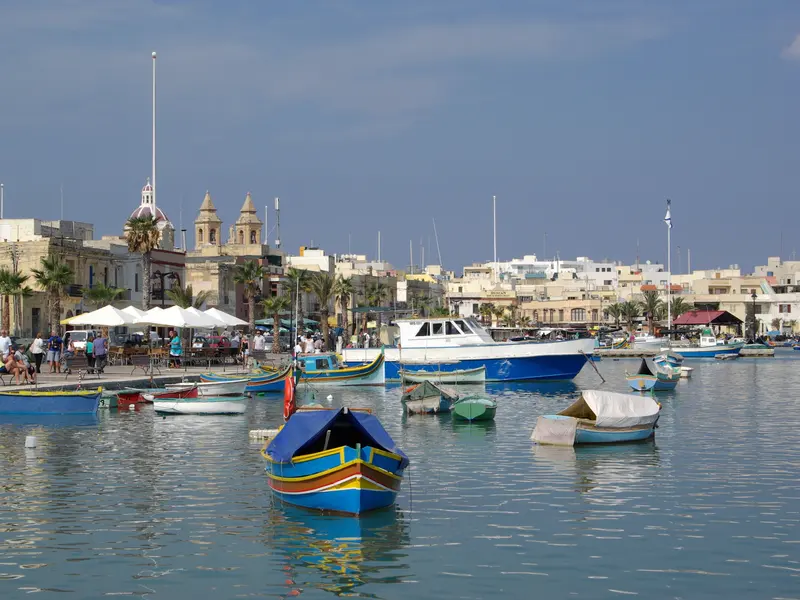
You will find casual food and cold drinks up on the quay at Wied iż-Żurrieq, with a front‑row view of boat traffic heading for the grotto. For a bigger meal after a second dive, follow the coast to Marsaxlokk for a waterfront fish lunch, then watch last light from the rim of the island at Dingli Cliffs.
Make it a full day on the south coast. If you are building a mixed plan for divers and non‑divers, pair the wreck with a boat tour of the Blue Grotto caves, then add a scenic stop at Dingli Cliffs. Divers with more bottom time to burn should look north to Cirkewwa diving for easy two‑wreck days later in the week. History lovers can loop back to Valletta and take a Grand Harbour cruise to see the docks where the story began.
Common mistakes and misconceptions are easy to avoid. You do not need a boat for this site, and booking a RIB will not save you much time once you count kitting and surface prep. The ship is not intact from bow to stern, so expect a break and use it as a landmark rather than a disappointment. The depths tempt newly certified divers, but between the swim, the exposure and the exits, it rewards those who treat it as an advanced dive with a local guide for their first lap.
If you only remember one plan, make it this. Start early, check the sea, swim steady to the helmet, tour the bridge and deck, touch the prop if your plan allows, then glide back up the superstructure and give yourself time to enjoy the blue. You will surface into the same inlet you left, salt on your lips and Malta’s most storied wreck just behind you.
Common questions
Do I need a boat to dive Um El Faroud?
No. Access is from the shore from Wied iż-Żurrieq, and the wreck is about 150 m southwest from the entry point.
What depths should I plan for?
Expect the top of the bridge at 18 m, the main deck at 25 m and the propeller and seabed at 36 m. Average depth on the site is 20 m on typical profiles.
Can I go inside the wreck?
Penetration is possible for experienced divers. The wreck was prepared for diving, but proper training, a reel and a torch are essential.
Is this suitable for newly certified divers?
This is an advanced dive because of depth and the open-water swim. Many divers choose a local guide for their first visit.
When is the best time to dive it?
Mornings in calm weather are best. In westerly swell the entry can surge, and visibility drops quickly after heavy seas.
What marine life might I see?
Tuna, jacks and barracuda visit the wreck, and squid sometimes lurk near the stern.
Last checked: 22 October 2026. Prices, opening hours and timetables change, verify anything time-sensitive before you travel. Photo: Terry Caselli, CC BY-SA 4.0.